A Professional's Take on the New Hurricane 24 Shoe
Introduction
The Hurricane 24 Shoe arrives into a crowded performance footwear market with claims of balanced cushioning, reliable stability, and contemporary styling. For buyers who treat footwear as a precision tool — athletes, field professionals, and tech-aware consumers — a shoe must do more than look good. It must serve particular functional needs: fit, support, durability, and, increasingly, compatibility with wearable electronics or sensor-ready insoles. This review examines the Hurricane 24 from a professional perspective, focusing on real-world use cases, what typical buyers care about, and how the model stacks up in practical scenarios.
Design and Materials: First Impressions
On first inspection, the Hurricane 24 presents a thoughtfully composed upper, midsole, and outsole relationship. The upper leans on engineered mesh panels in high-flex zones with supportive overlays in the midfoot and heel. That approach is common among shoes that aim to balance breathability with structure. The midsole appears to be built around a medium-density foam core intended to deliver a compromise of energy return and stability — neither overly soft nor aggressively firm.
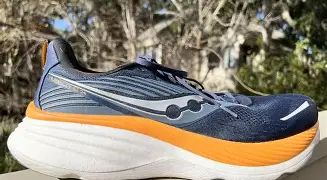
Buyers who prioritize materials will appreciate the attention to abrasion zones on the outsole and the reinforced stitching around stress points. As with many contemporary designs, manufacturers appear to have reduced excess materials to shave weight while keeping reinforcement where it matters most. For professionals who rely on footwear for long hours, these trade-offs are significant: lighter shoes reduce fatigue, while targeted reinforcement preserves longevity.
Wearable-Ready Considerations
Although the Hurricane 24 is primarily presented as a performance shoe, it also plays well with current trends in wearable electronics. The construction allows simple accommodation for aftermarket sensor insoles or clip-on running pods. The insole bed is flat and accessible, which makes installation or replacement straightforward for users who want to measure cadence, ground contact time, or other gait metrics. For buyers who expect integrated electronics, it is important to verify whether the specific Hurricane 24 SKU includes a factory-installed sensor or merely supports third-party devices.
Fit, Comfort, and Sizing
Fit is among the most decisive factors when choosing a shoe. The Hurricane 24 tends to run true to size for users with neutral arches, offering a secure heel hold and moderate room in the toe box. The engineered mesh upper conforms well without creating pressure points, and the tongue construction reduces localized lace pressure during long sessions.
Comfort is governed by three interacting elements: midsole foam density, insole thickness, and upper flexibility. The Hurricane 24 opts for a medium-firm midsole that supports responsive transitions, which benefits athletes who require quick direction changes. Walkers and casual users seeking plush cushioning may find the shoe firmer than they expect, but runners or court athletes likely appreciate the responsiveness. Buyers with wide feet should test fit in-store or choose retailers with generous return policies, since the shoe’s structured overlays can feel snug for broader foot shapes.
Performance Analysis: Real-World Use Cases
This section looks at how the Hurricane 24 performs across several realistic scenarios. The assessments focus on measurable outcomes that matter to professionals and serious buyers.
Running (Short to Medium Distances)
For short to medium distance runs, the Hurricane 24 supports a snappy, stable ride. The midsole density and outsole geometry prioritize a quick toe-off and reliable grip on urban surfaces. The responsiveness helps maintain cadence and reduces perceived effort during tempo runs. However, for marathon distances or ultra-distance training, runners who prioritize maximal cushioning might prefer a softer, more heavily cushioned model.
Court and Court-Adjacent Sports
The lateral support and lock-down characteristics make the Hurricane 24 suitable for court sports that require abrupt lateral movements. The structured overlays near the midfoot and firm heel counter reduce slippage inside the shoe during cut-and-turn movements. The outsole pattern offers dependable multi-directional traction on indoor surfaces; on outdoor courts, durability becomes the deciding factor — and here the Hurricane 24's reinforced abrasion zones help extend lifespan.
Shop the latest Electronics picks on Amazon.
See Deals →Gym, Cross-Training, and Weight Work
For gym use and cross-training, the Hurricane 24 strikes a balance between cushioning and stability. The firmer midsole base provides sufficient platform stability for compound lifts and plyometrics while maintaining enough rebound for met-con style workouts. Users who regularly engage in heavy squats or Olympic lifts might still prefer a flat, lower-profile lifting shoe, but the Hurricane 24 covers most mixed-fitness needs without compromise.
Daily Wear and Field Work
Buyers who stand or walk on concrete for long periods will value the Hurricane 24’s combination of breathability and support. The shoe’s structure reduces foot fatigue over long shifts, and the materials show resilience against repeated abrasion in everyday environments. For outdoor field work that exposes footwear to moisture and rough terrain, the Hurricane 24’s sealing and grip performance are good but not specialized; users in wet or highly technical environments should consider dedicated work-specific footwear.
Durability and Maintenance
Durability is seldom glamorous, but it’s vital to the cost-per-wear calculation. The Hurricane 24’s outsole uses a patterned rubber compound with thicker tread in high-wear zones. That design increases expected mileage before significant degradation. The visible stitching at high-stress points and the reinforced toe bumper reduce the chance of premature failure.
Maintenance is straightforward: regular cleaning of the upper mesh with mild soap and air drying preserves breathability, while occasional rotation with another pair increases service life for daily users. If the buyer plans to use sensor insoles, it’s advisable to remove them before washing the shoe and to follow sensor care guidelines to avoid water damage.
Pros & Cons
- Pros:
- Balanced midsole that suits multi-use performance needs
- Engineered upper provides good breathability without sacrificing support
- Outsole reinforcement targets high-wear zones for improved durability
- Compatible with aftermarket sensor insoles and wearable pods
- Secure heel lock and responsive toe-off for dynamic activities
- Cons:
- Medium-firm ride may feel too stiff for buyers seeking plush cushioning
- Structured overlays can be tight for wide-footed users without trying on first
- No factory-integrated electronics in every SKU — verify if sensors are required
- Not specialized for extreme trail or heavy-duty wet-weather fieldwork
Comparison: Hurricane 24 vs. Typical Alternatives
The following table compares qualitative attributes of the Hurricane 24 with common competing footwear categories: a plush long-distance trainer and a dedicated court shoe. This table is intended to help buyers place the Hurricane 24 relative to alternatives with different design priorities.
| Attribute | Hurricane 24 | Plush Distance Trainer | Dedicated Court Shoe |
|---|---|---|---|
| Cushioning | Medium-firm — balanced responsiveness | High — emphasis on impact attenuation | Low to medium — emphasis on quick court feel |
| Stability | High — structured overlays and firm heel | Medium — often softer platforms | High — reinforced lateral support |
| Traction | Versatile — good on road and indoor courts | Best on road/track | Optimized for indoor court surfaces |
| Durability | Above average — reinforced high-wear zones | Variable — depends on outsole compound | Good — aggressive rubber in contact areas |
| Electronics Compatibility | Sensor-ready insole bed — easy aftermarket integration | Less focus on integration | Some models support foot sensors but less common |
| Best for | Multi-sport athletes, gym-goers, daily trainers | Long-distance runners, high-mileage training | Court athletes, rapid lateral movement sports |
Buying Guide: What to Consider Before Purchasing
When evaluating the Hurricane 24, buyers should weigh their priorities against the shoe’s strengths and limitations. The following guide highlights common decision points and practical checks to make before purchasing.
1. Intended Use
Clarify primary activities. If the buyer prioritizes long steady-state runs, a heavily cushioned trainer might be better. If the goal is mixed training, cross-fit, or court play, the Hurricane 24’s balanced approach makes it a strong candidate.
2. Fit and Sizing
Try on the shoe with the socks typically worn during activity. Check toe clearance to prevent black toenails in running and confirm heel lock during lateral movements. If shopping online, prefer retailers with no-hassle returns and read sizing notes from verified purchasers.
3. Arch Type and Support Needs
Buyers with high arches or specific pronation issues should test the shoe on a short run or workout to evaluate arch support. The Hurricane 24’s neutral-to-stable platform suits many users, but those needing corrective support may still require custom orthotics.
Discover deals on Electronics — updated daily.
See Deals →4. Surface and Traction Requirements
Match outsole tread to common surfaces. Urban runners will prioritize rubber compounds that balance grip with wear resistance; court athletes seek a tread that doesn’t gum up indoors. The Hurricane 24’s compound is versatile, but for specialty terrains (mud, technical trails), choose a purpose-built shoe.
5. Electronics and Data Tracking
For buyers who monitor metrics, confirm whether the chosen SKU includes integrated sensors or if the insole can accommodate third-party devices. The Hurricane 24 is generally compatible with aftermarket insoles and pods, but integrated solutions — if required — deserve verification before purchase.
6. Durability Expectations
Estimate expected mileage based on typical use. If the shoe will be used daily for high-mileage running, plan for rotation with another model to extend life. Check warranty terms for manufacturing defects and inspect the outsole and stitching after a few weeks of use to catch early issues.
7. Budget and Value
Compare the Hurricane 24’s price against competitors that emphasize different design trade-offs. The shoe's balanced feature set offers strong value for mixed-use athletes, but buyers focused on a single discipline may find more value in niche alternatives.
8. Return Policy and Trial Period
Given individual variability in foot shape and gait, select a vendor with a comfortable trial period. This reduces the risk associated with midsole feel and sizing differences.
Conclusion
The Hurricane 24 Shoe is a thoughtfully engineered performance option that suits a broad audience: multi-sport athletes, gym-goers, and everyday users who value a stable, responsive ride. Its engineered upper, balanced midsole, and strategically reinforced outsole speak to a design that prioritizes versatility and longevity. While not the softest option on the market, its medium-firm construction rewards dynamic movement and quick transitions. Buyers should pay careful attention to fit, especially those with wider feet or those who require maximal cushioning for long runs. For consumers interested in data tracking, the Hurricane 24’s sensor-friendly insole bed makes it straightforward to pair with third-party devices, though purchasers should confirm the presence or absence of factory-integrated electronics in specific SKUs.
Ultimately, the Hurricane 24 is best considered when a buyer needs a single shoe capable of handling varied activities reliably rather than a specialized shoe optimized for a single discipline. With prudent selection based on intended use, fit trials, and attention to durability needs, the Hurricane 24 can serve as a dependable everyday performance shoe in a professional’s rotation.